Are you a supplier?

We invite you to register on our platform and characterize your technological solution, so you can participate in the open innovation processes that we carry on for the main mining companies in the country
Register here
We invite you to register on our platform and characterize your technological solution, so you can participate in the open innovation processes that we carry on for the main mining companies in the country
Register here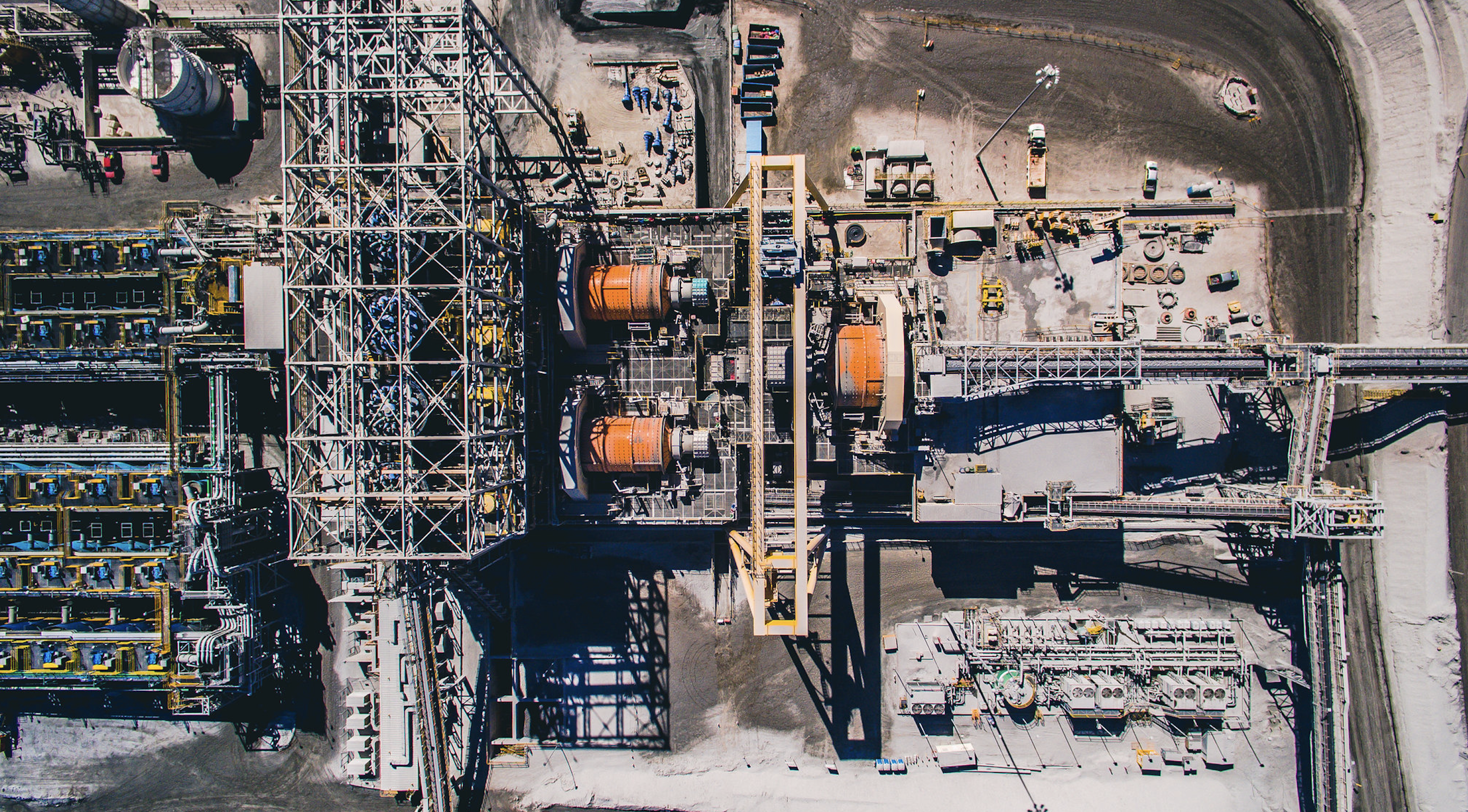
Faena: Centinela Mine
Deadline 27/03/2024
Closing Time 4:00 pm
At Minera Centinela, after milling, the ore is sent to a classification stage consisting of a hydrocyclone battery. This stage consists of 4 batteries with 10 hydrocyclones each, 7 of which operate. These hydrocyclones are operated remotely by the control room operator. Due to the conditions of the hydrocyclone feed coming from the mill, the hydrocyclones become clogged. Additionally, there are obstructions and fissures in the lower part of the equipment (cone and apex) caused by foreign bodies and milling balls, which generates a high replacement rate and frequency of hydrocyclone maintenance.
When unanticipated hydrocyclone roping and/or blockages occur.
As a first consequence, abnormal classification patterns are generated, generating deviations in the granulometry of the downstream processes, impacting the recovery. Additionally, there is an increase in the frequency of maintenance due to obstructions requiring the removal and reinstallation each time of existing instrumentation in the equipment.
They currently have a detection system that identifies roping once it has occurred, which limits the ability to intervene and increases the risk of damage to equipment and loss of production.
Noise detection technologies and level sensors.
Engineering studies, consulting and/or advisory services are excluded.
Technological solutions are sought to detect early warning signs of a potential roping and/or blockage in hydrocyclones used in material classification processes. This anticipatory system must be able to identify anomalies that allow taking action to avoid the roping or blockage.
1. It must perform a preventive analysis of data for the issuance of early warnings when indications of a possible roping and/or obstruction are detected.
2. It must be integrated with control systems to allow the implementation of automatic or manual preventive actions.
3. It must be easy to install and remove, due to equipment replacement.
4. Its operation, maintenance and calibration should be of low complexity.
5. They must have professional capabilities for the development of the challenge and at least one positive result in similar cases.
6. It must include Wi-Fi transmission.
7. Must be compatible with current hydrocyclones.