Are you a supplier?

We invite you to register on our platform and characterize your technological solution, so you can participate in the open innovation processes that we carry on for the main mining companies in the country
Register here
We invite you to register on our platform and characterize your technological solution, so you can participate in the open innovation processes that we carry on for the main mining companies in the country
Register here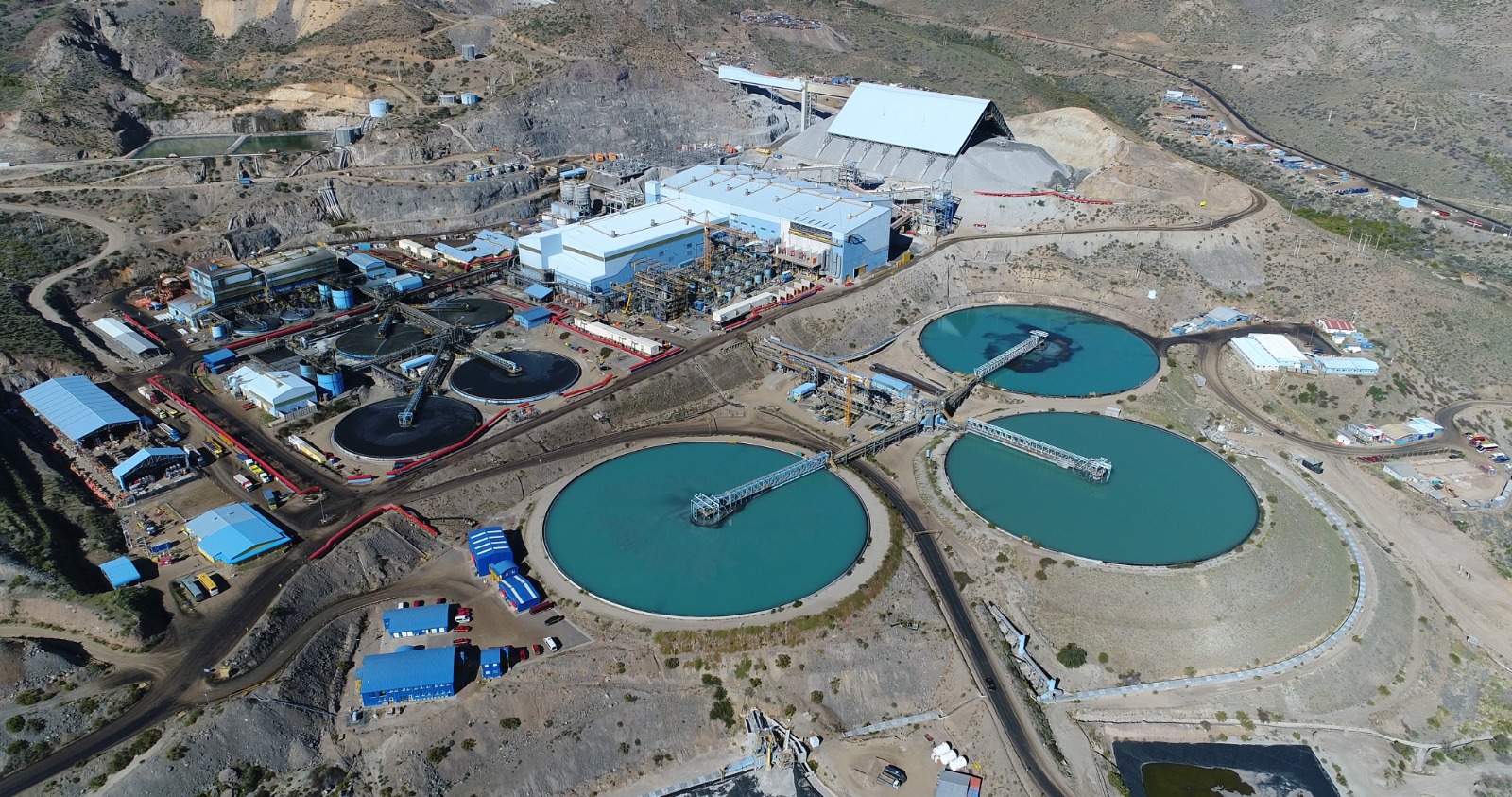
Faena: Los Pelambres Mine
Deadline 24/10/2024
Closing Time 4:00 pm
Minera Los Pelambres has a Concentrate Transportation System (STC) that runs approximately 120 km from the pumping station to the Terminal Spreading Station. The pipeline is made of steel and has a 0.28-inch thick high density polyethylene (HDPE) internal lining. In 2022, a failure caused the steel pipeline to rupture, forcing a extended shutdown and one of the immediate measures was to reduce the operating pressure. Additionally, the STC suffers from blockages, where concentrate buildup hardens and adheres to the walls, obstructing flow. This limits transport volumes and subjects the pipeline to higher pressures. Today the STC operates with pressure and flow restrictions, significantly below its design capacity.
A break in the concentrate transport system pipeline has been detected during operation. The main cause is a manufacturing faults in the steel pipeline, which does not affect all the pipes in the system, but it is crucial to identify its exact location. The faults consists of an internal concavity in the steel, with dimensions of at least 8 mm wide and 1.5 mm deep. This irregularity has caused cracks of less than 1 mm in size, which jeopardize the integrity of the pipeline and require immediate attention to avoid further damage.
Pipeline rupture
Currently, an operational continuity project of the STC has been developed, which consists of reducing the working pressure and therefore the transport flow. Pipeline sections have also been replaced in the sectors with the highest pressure requirements. In addition, the inspection of the pipeline has been intensified and the necessary restitutions have been made as a result of these inspections
Identify or develop a technology that is capable of inspecting the interior of operating pipelines, traveling along with the fluid, that allows accurate detection and sizing of steel faults through a 0.28-inch HDPE layer. The solution must operate safely and reliably in STC conditions, without risk of clogging of the inspection tool.
Consulting, advisory and engineering services.