Are you a supplier?

We invite you to register on our platform and characterize your technological solution, so you can participate in the open innovation processes that we carry on for the main mining companies in the country
Register here
We invite you to register on our platform and characterize your technological solution, so you can participate in the open innovation processes that we carry on for the main mining companies in the country
Register here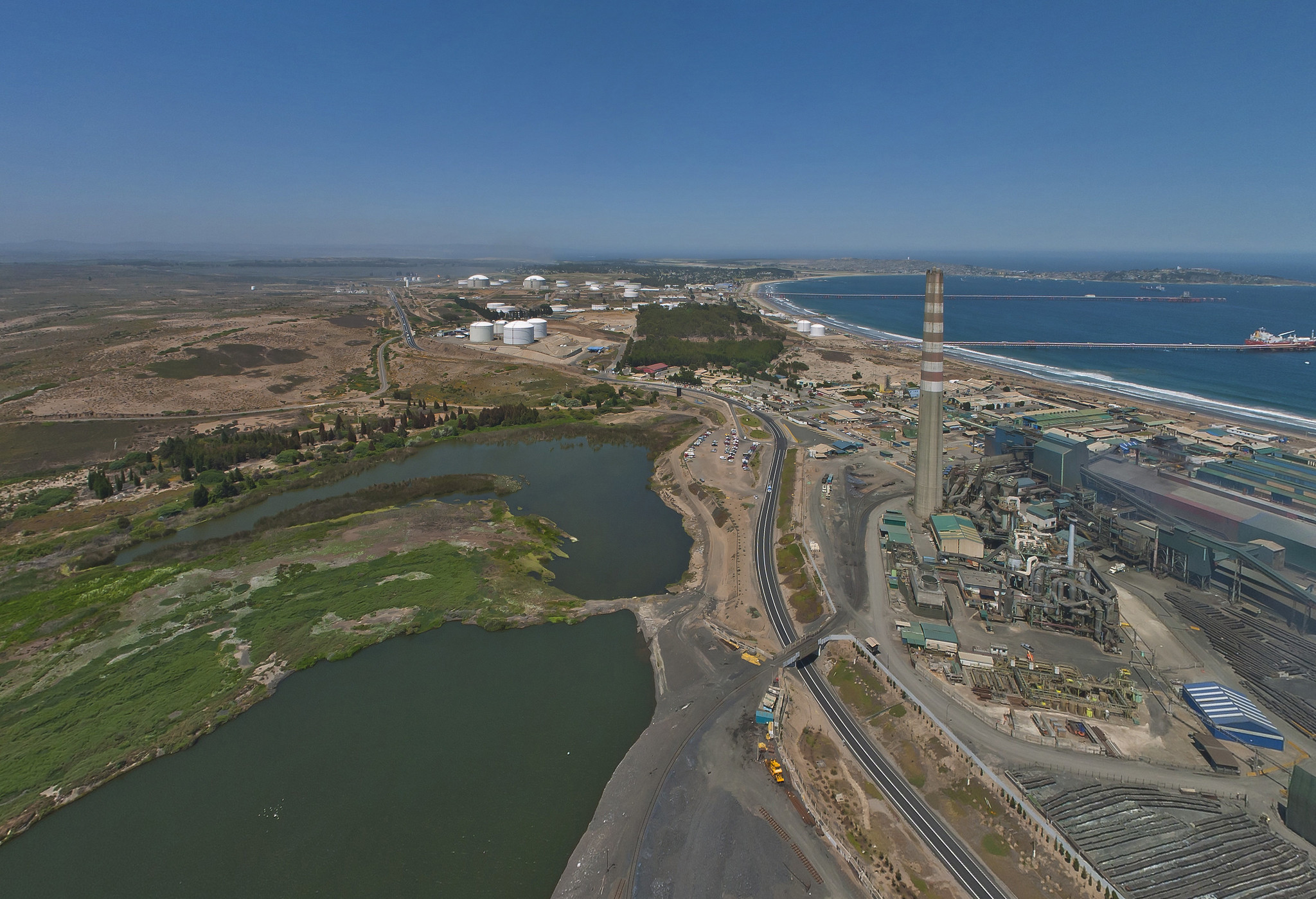
Faena: Codelco, División Ventanas
Deadline 10/03/2025
Closing Time 4:00 pm
CHALLENGE CONTEXT In the electrorefining process, during copper deposition, short circuits occur due to the contact between cathodes and anodes, forming large nodules or dendrites. These short circuits can generate low cathode quality, higher energy consumption due to lower current efficiency, corrosion and temperature increase in the conductive bars. The detection of short circuits is done manually with a Gauss meter instrument that allows measuring the magnetic flow density and inferring through this variable if a short circuit is present and/or through portable thermographic cameras. Once the short circuit is detected, it is eliminated manually. However, greater efficiency in detection is sought.
Permanently.
Manual detection with Gauss meter and/or portable thermographic cameras, to later eliminate the short circuit manually.
Identify solutions that allow the detection and exact location of short circuits in the electrolytic cells of the Ventanas refinery. This detection can be on-line, real time or discrete with high frequency.
1. Generate reports with the location of short circuits, could provide automatic alarms.
2. Integrate with existing information platforms.
3. Resistant to operational conditions such as high temperature and constant vibration.
4. No impact on plant operation, nor require major interventions in the existing infrastructure.
5. Maintainability with minimal downtime.
Companies, startups, institutes, research centers or other legally constituted entities, in accordance with the current legislation of their country of origin. Natural persons are excluded in this call. We extend the invitation to promote collaboration and complement technological and/or business capabilities between companies, startups or other entities. For teams and consortia, the responsible institution must be clearly identified in the submission.
If you are interested in applying to the challenge, you can request relevant additional information by sending an email to the following address innovacion.abierta@fch.cl
