Are you a supplier?

We invite you to register on our platform and characterize your technological solution, so you can participate in the open innovation processes that we carry on for the main mining companies in the country
Register here
We invite you to register on our platform and characterize your technological solution, so you can participate in the open innovation processes that we carry on for the main mining companies in the country
Register here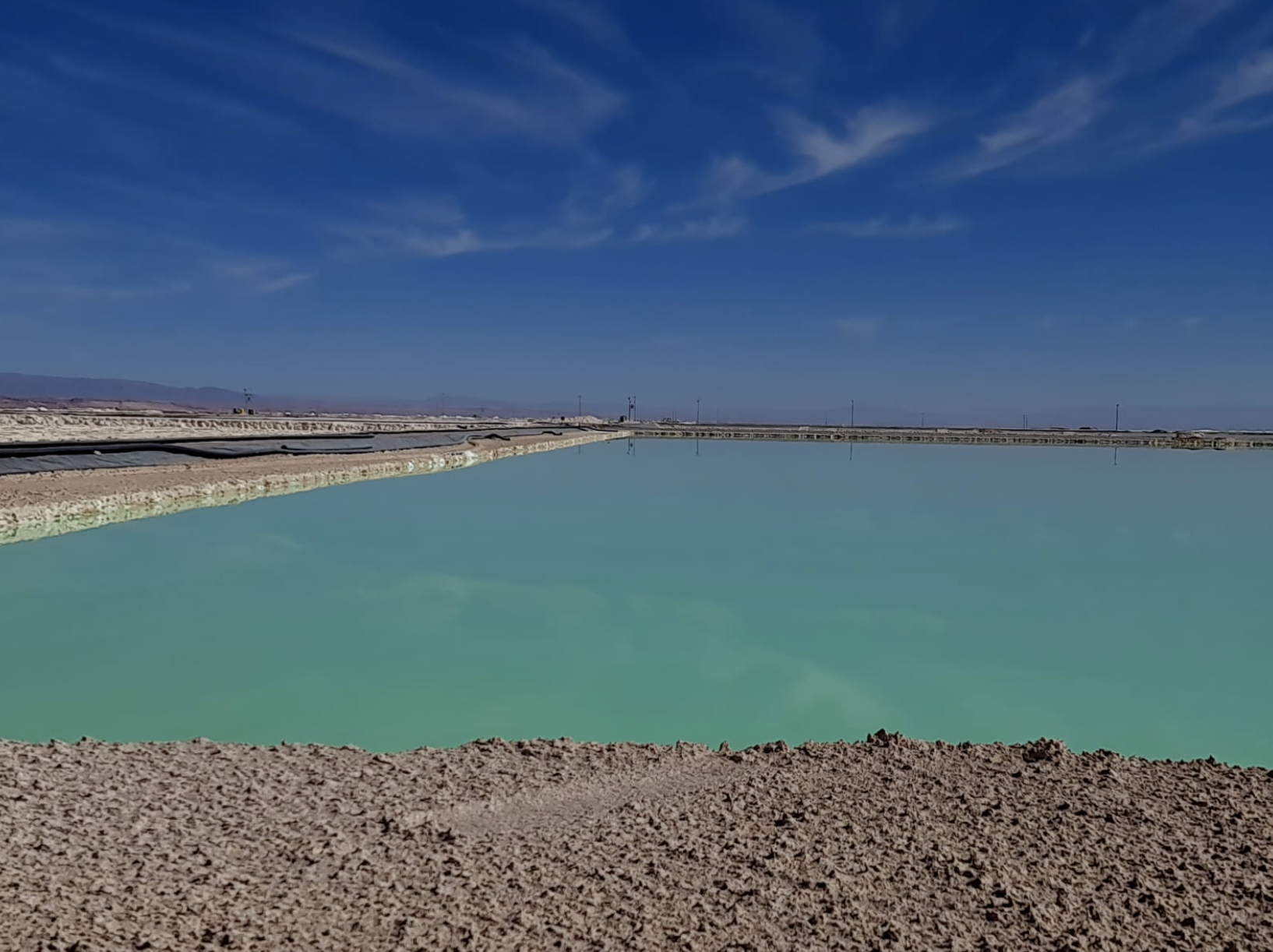
Faena: SQM Salar
Deadline 26/03/2024
Closing Time 4:00 pm
SQM Salar S.A. uses a network of high density polyethylene (HDPE) pipes to transport the pumped brine from different extraction wells located in the salar to the evaporation ponds, allowing its concentration and subsequent processing. In particular, the extraction wells use short pipes (approx. 20 m long) to connect to the main network (approx. 18 km long), all with variable diameters ranging from 75 to 630 mm. Due mainly to the high concentration of minerals present in the brine transported (chloride, sulfate, sodium, potassium, magnesium ions, among others) and the flow conditions, they tend to saturate, generating salt crystals that deposit and accumulate inside the pipes, forming incrustations that reduce the free cross section of the pipe.
Incrustations are formed permanently, with a rate that will depend on the characteristics of the brine transported, together with the environmental and operating conditions of the site.
The presence of incrustations in a section of pipe reduces the flow of brine transported with an increase in hydraulic pressure in the pipe. The above situation can damage the walls of the pipes, causing eventual brine losses due to leaks and process stoppages, which will reduce the total production of concentrated brine.
Through the application of preventive maintenance and cleaning programs to reduce the accumulation of encrusted salts. The frequency of cleaning is variable, with both daily and weekly applications.
Identify technological solutions that allow the prevention and/or cleaning of high density polyethylene (HDPE) pipes.The solutions should fall into at least one of the following categories:
1. Spot application solution, those that allow a prevention and/or cleaning of pipelines in a bounded way, with an effect of up to 20m. Solutions such as: new materials that inhibit the formation of incrustations, reagents, coatings, electromechanical systems, among others, are expected.
2. Solutions with general application, those that allow prevention and/or cleaning in long extensions of pipelines, over 10 km in length. Solutions are expected in the following areas: coatings, electromechanical systems, among others.
1. No modification of the physical or chemical characteristics of the brine that represent a decrease in production.
2. Minimum installation and maintenance requirements. Heavy Duty constructability characteristics in the case of physical equipment.
3. Minimum operational interference, optimizing the frequency of application.
4. The maturity level must be greater than or equal to TRL 6, i.e. it must have at least one prototype tested and validated in a relevant environment.
5. It is desirable solutions with characteristics that minimize the direct participation of workers during its application.
6. Compatibility with the operational conditions of Salar de Atacama.